
Finding Meaning in the Mess: How Post-Traumatic Growth Transforms Pain into Purpose
Barb Dorrington
11/10/20252 min read
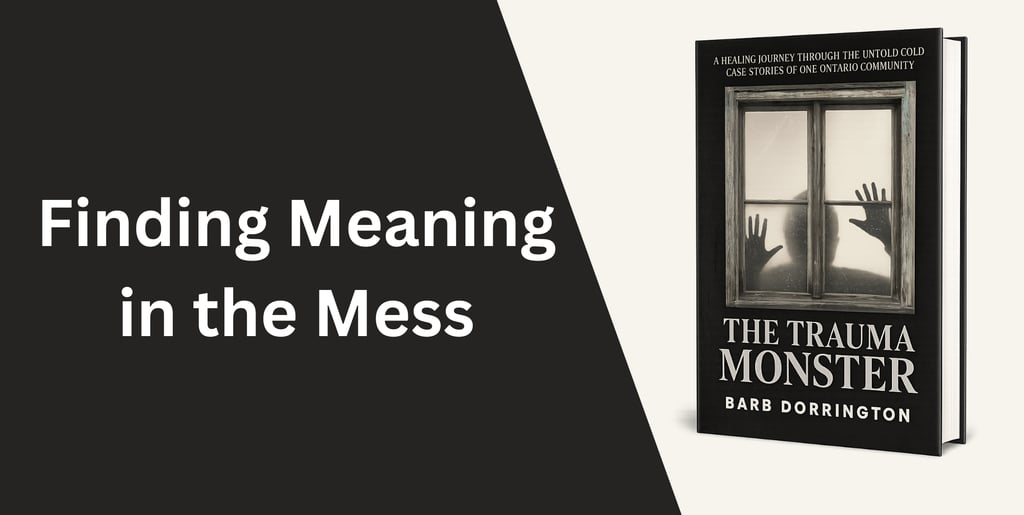
Trauma changes us. It shifts the way we see ourselves, others, and the world. But as Barb Dorrington reminds us in The Trauma Monster, change doesn’t always have to mean destruction. Sometimes, trauma cracks us open in ways that allow for something new to grow. This is the essence of post-traumatic growth—the remarkable process of finding meaning, wisdom, and purpose through pain.
What Is Post-Traumatic Growth?
Post-traumatic growth isn’t about silver linings or toxic positivity. It doesn’t mean that trauma was “worth it” or that suffering was necessary. Rather, it acknowledges that while trauma breaks us in painful ways, it can also reveal depths of resilience and insight we didn’t know we had.
Growth happens when we begin to ask: What can I learn from this? How can I use my pain to heal myself and others?
The Unexpected Gifts of Growth
1. Deeper Self-Awareness
Trauma forces us to confront truths we might have ignored. As we heal, we often discover a stronger sense of who we are and what we need.
2. Greater Empathy
Pain softens us. Survivors often become more compassionate, understanding, and capable of connecting deeply with others.
3. New Priorities
Trauma often strips away the superficial. You may find yourself valuing peace over perfection, authenticity over approval, and presence over productivity.
4. Spiritual or Existential Growth
Many survivors report a renewed sense of purpose, spirituality, or connection to something greater than themselves.
How to Cultivate Meaning from the Mess
1. Let Yourself Feel Everything
Avoiding pain only delays healing. Grief, anger, and sadness are all part of transformation. Feeling them fully allows you to move through them.
2. Reflect on What’s Changed
Journal about the ways trauma has shifted your perspective. What matters more to you now? What no longer does?
3. Channel Pain into Creation
Art, writing, music, or service can help transform pain into purpose. Creation is how we reclaim control over what once broke us.
4. Share Your Story When You’re Ready
Telling your story can bring light to others still walking in the dark. But do it on your own terms, in your own time.
From Surviving to Living
Post-traumatic growth doesn’t erase the past—it integrates it. It’s not about forgetting your pain, but learning to carry it differently.
As Barb Dorrington beautifully illustrates in The Trauma Monster, the messiness of healing can become the soil for new life.
Your pain may have shaped you, but it doesn’t define you. Within that same pain lives your strength, your wisdom, and your purpose.
You didn’t just survive the trauma—you’re learning how to live beyond it. And that is the truest form of growth.